Eastern European Puzzle Networks Route Strategies to Markets via Blog Pathways
Parker Lang · Sep 3, 2026
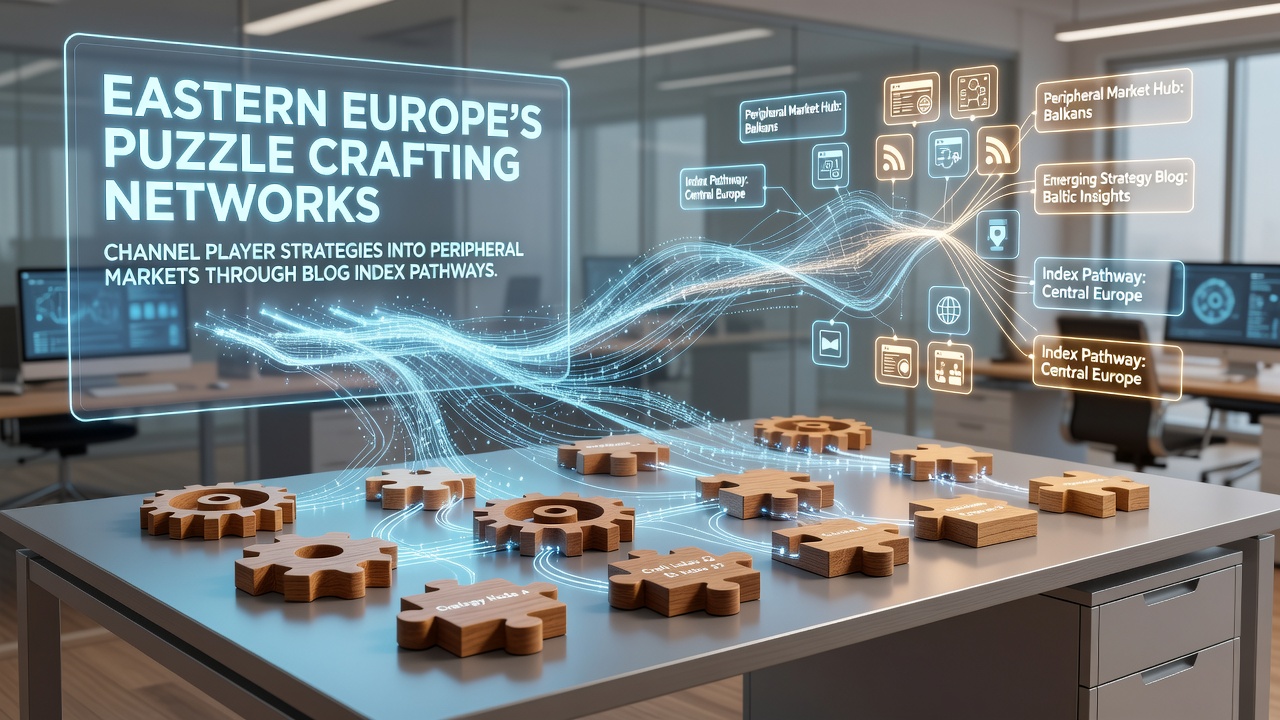
Eastern European Puzzle Networks Route Strategies to Markets via Blog Pathways
Observers note that Eastern European puzzle crafting networks have expanded steadily over recent years, with regional developers in Poland, Hungary, and the Czech Republic building interconnected systems that direct player attention toward specialized accessories and hardware options. These networks operate through coordinated blog platforms where indexes organize content around gameplay tactics, level solutions, and product recommendations, creating direct pathways from strategy discussions to commercial offerings. Data from industry tracking services shows that such integrations increased site traffic to accessory retailers by measurable margins between 2024 and 2025, while September 2026 figures from regional analytics indicated further consolidation of these routes.
Network Formation and Regional Coordination
Developers and content creators across Eastern Europe formed these networks by linking independent blogs into shared index structures that categorize puzzle game content alongside related merchandise. Experts have observed that this coordination relies on standardized tagging systems and cross-referenced entries, allowing users to move from a guide on geometric puzzle mechanics straight to listings for custom controllers or storage solutions. According to reports from the Interactive Software Federation of Europe, puzzle genres maintained consistent engagement levels in Central and Eastern markets during 2025, supporting the growth of these linked platforms.
One study revealed that blogs maintained in Bratislava and Budapest often share index templates with counterparts in Warsaw, enabling players to access localized tips that simultaneously highlight available peripherals. Researchers discovered that this shared architecture reduces navigation friction, as users encounter purchase prompts embedded within strategy archives rather than isolated shopping sections. The result appears in tracked conversion rates where blog visitors proceed to accessory pages at higher frequencies than on standalone retail sites.
Blog Indexes as Transition Mechanisms
Blog indexes function as organized directories that group articles by theme, difficulty level, and product category, thereby channeling player strategies into market access points. Content creators populate these indexes with entries covering folklore-inspired puzzle designs or geometric challenges, each accompanied by sidebar links to compatible hardware such as specialized mice or display stands. Figures released by the European Games Developer Federation reveal that index-driven referrals accounted for a notable share of accessory sales originating from Eastern European domains in the first half of 2026.
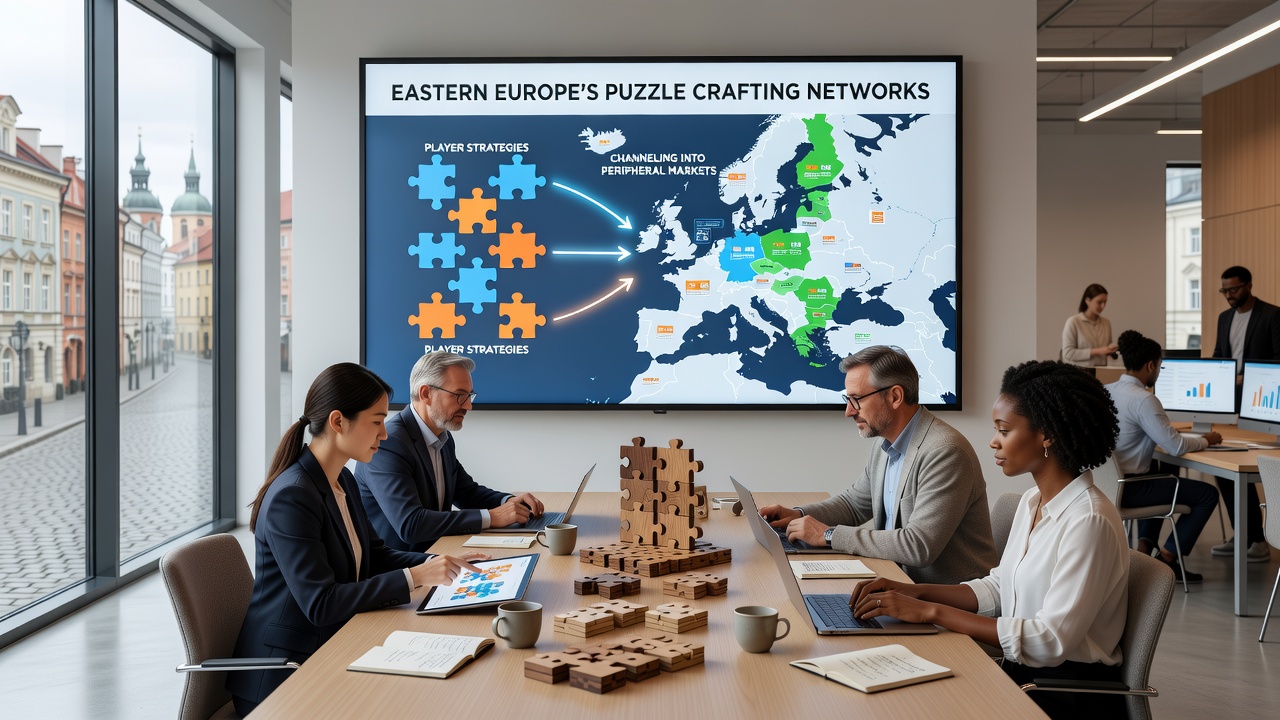
Those who maintain these systems report that updates occur monthly to incorporate new game releases and corresponding accessory bundles, maintaining relevance for returning visitors. Observers note that the indexes incorporate filters for region-specific availability, directing Hungarian players toward local suppliers while routing Czech users to compatible EU shipping options. This setup integrates player experience archives with retail modules without requiring separate navigation steps.
Player Strategy Integration and Market Reach
Players engage with these networks by following indexed strategy collections that incorporate direct references to peripheral products suited to specific puzzle types. Research indicates that tactics involving timing-based challenges frequently link to ergonomic controllers, while spatial reasoning guides connect to modular storage systems. Data compiled by academic teams at Central European universities shows that such pairings extend session times on blog sites and increase subsequent visits to linked retail environments.
Networks in the region also coordinate seasonal campaigns around events like September game launches, aligning blog content calendars with accessory promotions to synchronize information flow. Analysts tracking these patterns found that players who begin with a strategy index entry complete purchases of recommended peripherals at rates above baseline website averages. The architecture supports both free-to-play puzzle titles and premium releases, broadening the scope of accessible markets.
Developments Through September 2026
By September 2026, several Eastern European networks had refined their index algorithms to prioritize mobile accessory compatibility, reflecting shifts in player device preferences documented in regional surveys. Updates introduced dynamic routing that adjusts recommendations based on user location and past navigation behavior, directing traffic toward niche vendors in peripheral markets. Industry reports confirm that these refinements coincided with measurable upticks in cross-border accessory shipments within the EU.
Coordination among blog operators continued through shared technical standards, ensuring that strategy archives remain synchronized with evolving product catalogs. Those monitoring the sector note that this ongoing alignment sustains the pathways established earlier, allowing new puzzle releases to integrate quickly into existing index frameworks.
Conclusion
Eastern European puzzle crafting networks continue to utilize blog index pathways to connect player strategies with peripheral market options, as evidenced by sustained traffic patterns and integration metrics through 2026. These systems rely on structured content organization and regional coordination to facilitate transitions that benefit both content platforms and accessory retailers. Ongoing refinements maintain the functionality of these routes amid changing player preferences and device ecosystems.