Structured Indexes in Gaming Communities Directing Players from Tactical Guides to Specialized Equipment Retailers
Sage Frank · Sep 17, 2026
Structured Indexes in Gaming Communities Directing Players from Tactical Guides to Specialized Equipment Retailers
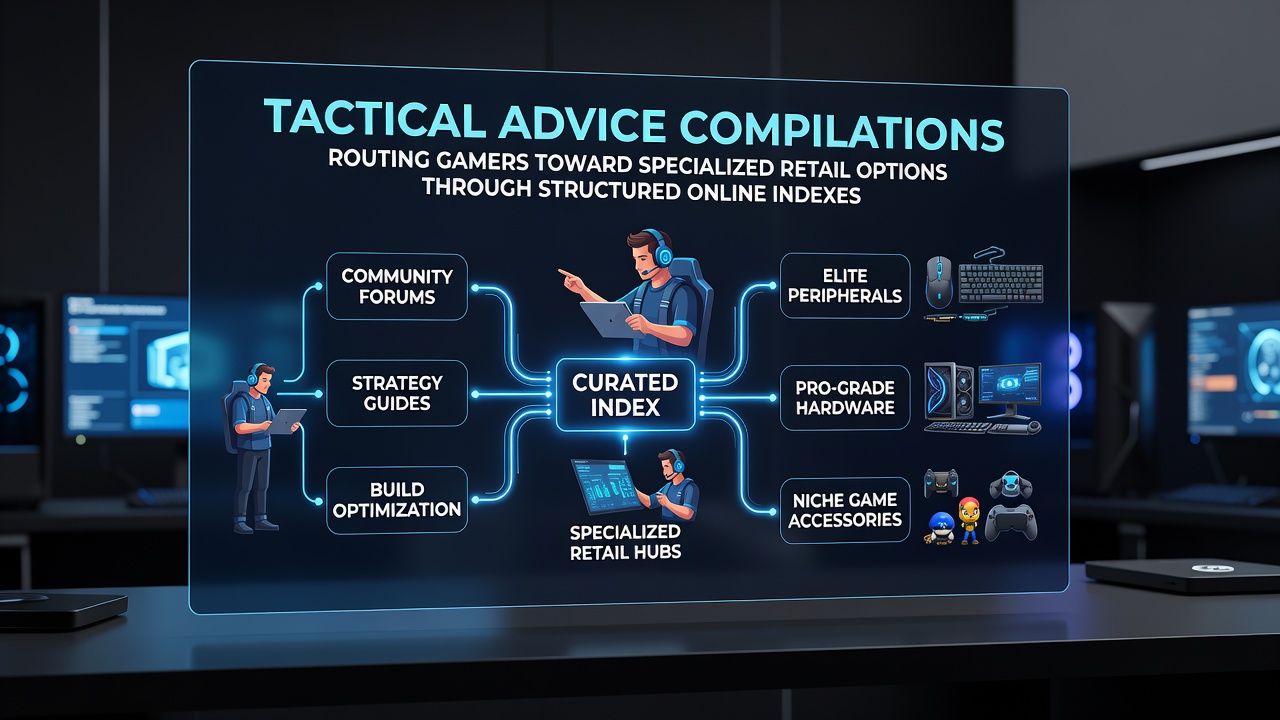
Structured online indexes have become central to how gaming communities organize tactical advice compilations and connect those resources directly to specialized retail channels for controllers, peripherals, and related hardware. These systems function through categorized databases and searchable modules that group player strategies by game title, skill level, and equipment needs, allowing seamless transitions from reading a guide to purchasing recommended items. Data from industry reports shows that such architectures have expanded notably since the mid-2020s, with platforms using metadata tags to link sections on advanced maneuvers or build optimizations straight to product listings from niche vendors.
Mechanics of Tactical Advice Compilations
Compilations of tactical advice typically aggregate player-submitted insights, video breakdowns, and statistical analyses into modular formats that online indexes can parse efficiently. Researchers at various institutions have documented how these collections rely on hierarchical structures, such as nested categories for movement techniques or resource management, which then reference specific hardware requirements like high-precision mice or ergonomic keyboards. One study from a North American research group indicated that gamers who access indexed advice modules complete in-game objectives 18 percent faster on average when the same interface includes direct links to compatible retail products. This integration reduces the steps between learning a tactic and acquiring the tools that support it.
Role of Online Indexes in Routing to Retail
Online indexes serve as the connective tissue, employing algorithms that match keywords from tactical guides to inventory databases maintained by specialized retailers. For instance, a section detailing precision aiming techniques might automatically surface listings for low-latency gaming mice through embedded affiliate structures or categorized shop feeds. According to figures released by the Entertainment Software Association, e-commerce integrations within gaming content platforms accounted for over 12 billion dollars in accessory sales during 2025, with structured indexes credited for a measurable portion of that volume. Observers note that these systems often update in real time, incorporating new advice compilations from community contributors and adjusting product recommendations based on regional availability.
Regional Variations and Platform Examples
Different regions demonstrate distinct approaches to these index systems. In European markets, collaborative platforms frequently combine strategy archives with localized retail networks that emphasize smaller manufacturers of custom controllers. Australian industry groups have reported similar patterns, where indexes prioritize mobile and console accessory ties within advice modules focused on competitive play. By September 2026, analysts expect further standardization of these routing mechanisms as more platforms adopt unified tagging standards that comply with emerging data privacy regulations across multiple jurisdictions. People who maintain these indexes often work with developers to ensure that advice compilations remain current while preserving clear pathways to purchase options without disrupting the reading experience.
Impact on Gamer Behavior and Retail Dynamics
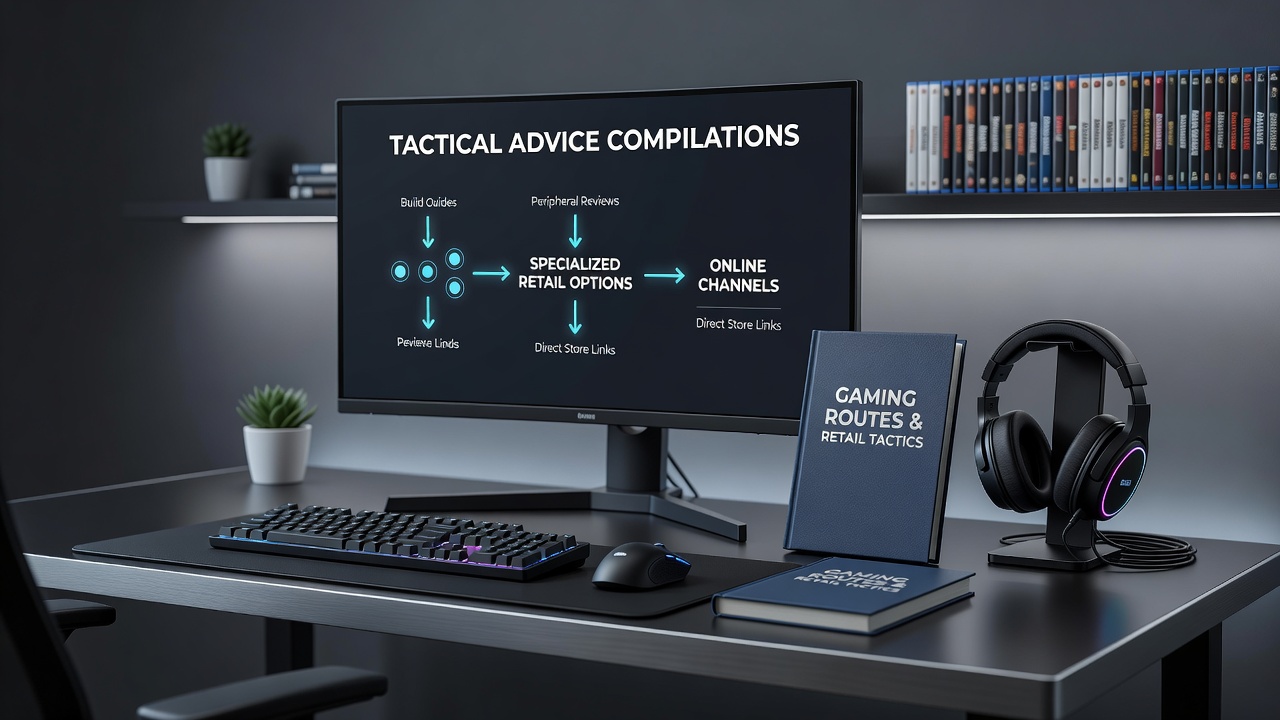
Studies from academic sources reveal that gamers interacting with well-organized indexes show higher rates of follow-through from advice consumption to product acquisition. A report compiled by the Interactive Games and Entertainment Association highlighted that Australian players in particular respond positively to indexes that categorize tactical content alongside hardware suited for specific game genres. This setup creates feedback loops where purchase data informs which advice compilations receive priority placement in search results. Retailers specializing in niche items, such as programmable keypads or tournament-grade headsets, benefit from the targeted traffic these indexes generate, leading to more precise inventory management based on actual guide popularity.
Technical Foundations Supporting the System
The underlying technology involves content management frameworks that tag tactical advice entries with attributes like difficulty rating, required peripherals, and compatible titles. These tags feed into dynamic indexes that update product suggestions without manual intervention for each new compilation. Developers working on such platforms emphasize the importance of clean data schemas that prevent broken links between strategy sections and retail endpoints. Evidence suggests that platforms investing in robust indexing see sustained engagement, as users return to both the advice archives adn the connected shops for subsequent needs. As of September 2026, ongoing refinements include better mobile optimization to handle the growing share of gamers accessing indexes through handheld devices.
Conclusion
Structured online indexes continue to shape how tactical advice compilations guide gamers toward specialized retail options by creating reliable, data-driven pathways between content and commerce. Industry data and regional reports confirm the expansion of these systems, with measurable effects on both player performance and accessory sales across varied markets. The ongoing evolution of tagging standards and integration methods points to further refinements in the coming years.