The Architecture of Blog Indexes Facilitating Transitions from Game Reviews to Marketplace Purchases
Dana Carter · Oct 15, 2026
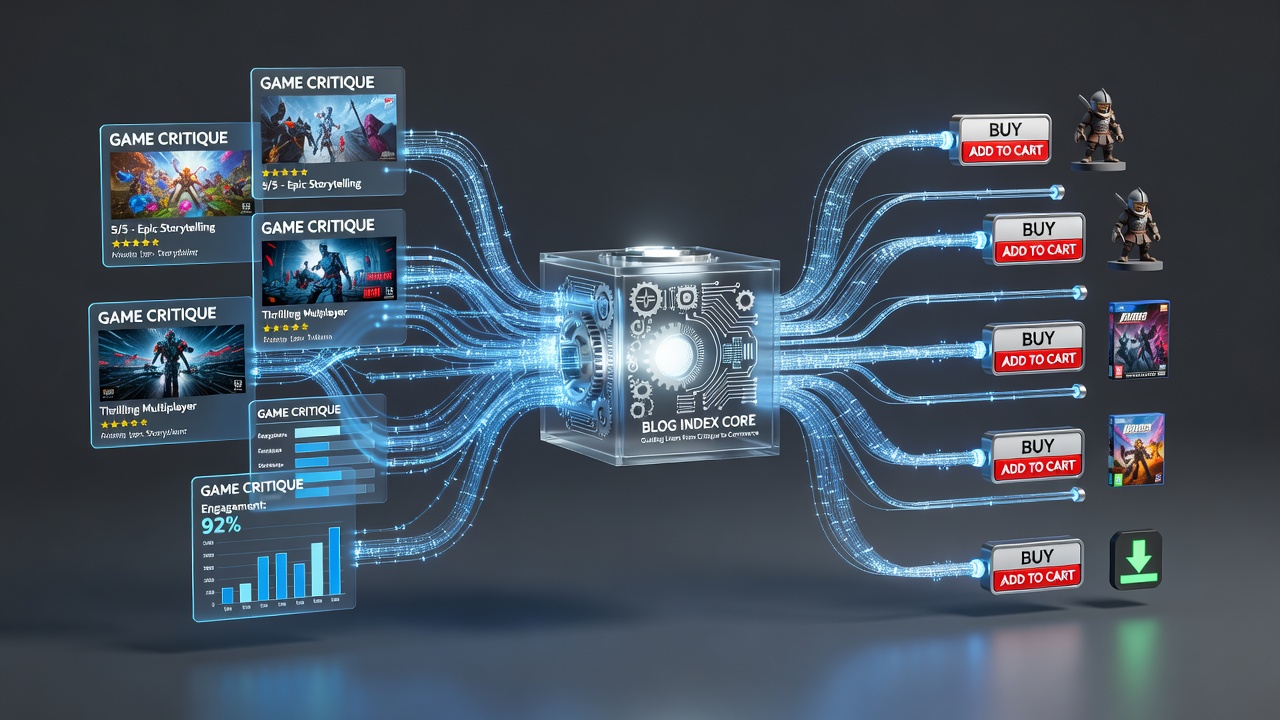
The Architecture of Blog Indexes Facilitating Transitions from Game Reviews to Marketplace Purchases
Blog indexes in the gaming sector operate through layered taxonomies that organize critique content into searchable categories such as genre, platform, release date, and user rating, while embedding hyperlinks that connect directly to retail sections for controllers, headsets, and game editions. These systems rely on content management frameworks where tags and metadata fields create pathways that route readers from analytical articles toward purchase options without requiring separate navigation steps. Researchers at institutions like the University of Helsinki have documented how such structures emerged in regional web architectures during the mid-2020s, with particular growth observed by October 2026 as mobile traffic overtook desktop sessions in multiple markets.
Categories function as primary entry points because they group related critiques under consistent headings, allowing visitors to filter results by criteria like multiplayer focus or indie titles, and each entry often includes teaser text paired with call-to-action buttons that load marketplace carts. Data from industry reports indicate that structured indexes reduce bounce rates by presenting related product suggestions alongside review summaries, thereby maintaining engagement through contextual relevance rather than isolated reading experiences. Observers note that filters for price range, compatibility, and stock availability integrate at the index level, turning a simple list of articles into an interactive hub that anticipates commercial intent.
Taxonomy Design and Metadata Integration
Effective indexes employ hierarchical taxonomies where parent categories encompass subtopics, for instance placing first-person shooters under action games while attaching child tags for specific hardware requirements, and this organization draws from database schemas that pull product data via API connections to e-commerce platforms. When a user selects a review entry, the system cross-references embedded identifiers to display matching accessories or digital copies, creating a seamless flow documented in case studies from European digital media labs. Such designs avoid flat lists by incorporating dynamic sorting options that reorder content based on popularity metrics or recency, ensuring that newer critiques surface alongside current promotions in associated shops.
Metadata plays a supporting role through standardized fields like schema markup, which search engines and internal algorithms use to surface indexed pages in response to queries about gameplay mechanics or hardware performance. Figures from the Entertainment Software Association reveal that sites utilizing comprehensive tagging saw increased referral traffic to retail partners by late 2025, with patterns persisting into October 2026 as more blogs adopted automated linking tools. Those who maintain these systems often combine manual curation with algorithmic recommendations, balancing editorial control against data-driven suggestions that highlight high-conversion items.
Search Functionality and User Pathways
Search bars within these indexes support keyword matching across both critique text and product descriptions, returning hybrid results that list articles followed by direct buy options for mentioned equipment. Advanced implementations include autocomplete suggestions drawn from trending terms, while facets allow simultaneous refinement by multiple attributes such as controller type and game genre. Studies conducted by academic groups in Canada have shown that users who engage with multi-faceted searches complete marketplace transactions at higher rates compared to those navigating purely linear menus.
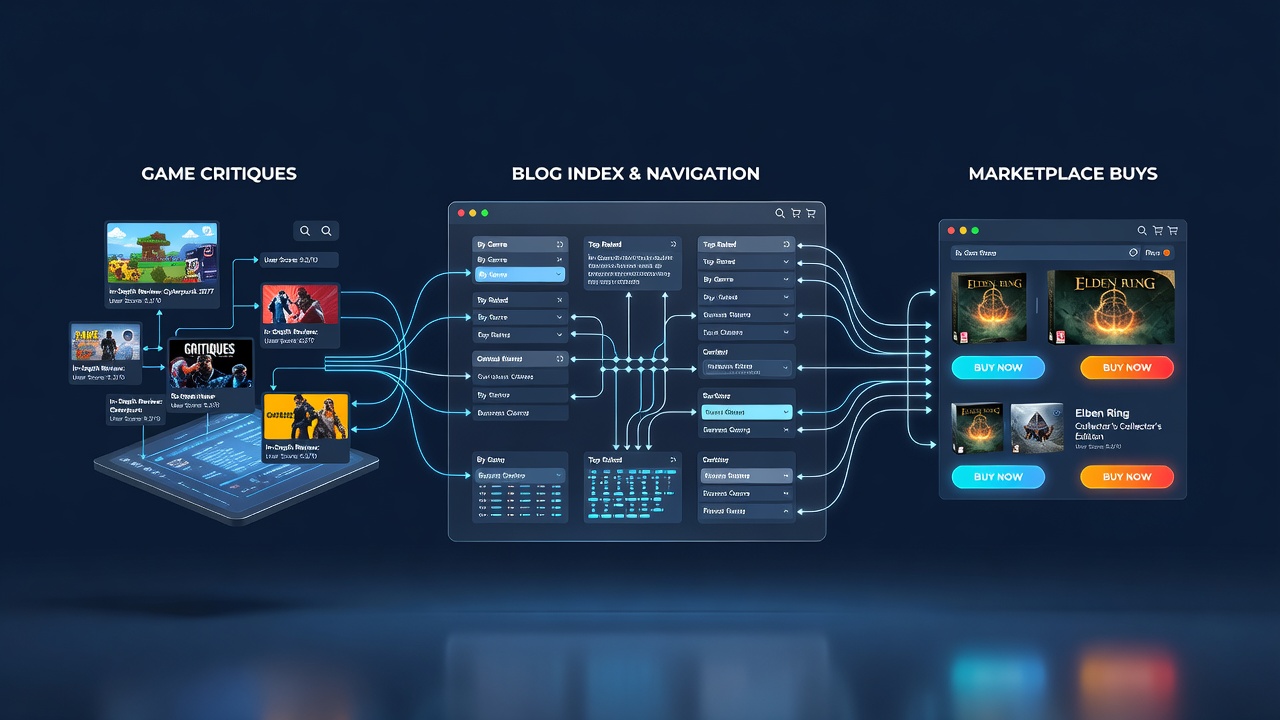
Related post modules extend the index logic by surfacing additional critiques that share thematic overlap, each accompanied by compact product carousels that link to specialized marketplaces. This approach keeps readers within the ecosystem while guiding them toward acquisitions, and data indicates that placement of these modules near article conclusions correlates with elevated click-through volumes. In practice, one documented implementation at a Central European gaming portal used session tracking to adjust index displays based on prior category selections, demonstrating measurable improvements in navigation efficiency.
Affiliate Link Mechanics and Tracking
Affiliate integrations embed unique identifiers within index entries so that clicks on product suggestions route through tracking systems before reaching retailer sites, enabling revenue attribution without disrupting the reading flow. These links activate based on contextual triggers such as mentions of specific hardware in a critique, and backend analytics monitor conversion paths from index views to completed purchases. Reports from the Interactive Software Federation of Europe highlight that transparent disclosure of affiliate relationships maintains user trust while supporting the operational costs of maintaining detailed indexes.
By October 2026, several platforms had incorporated real-time inventory checks into their index displays, preventing users from following links to out-of-stock items and instead suggesting alternatives from partnered vendors. This refinement reflects iterative adjustments informed by usage logs that reveal common drop-off points in the critique-to-purchase sequence.
Conclusion
Blog indexes that connect game critiques to marketplace options depend on interconnected taxonomies, search tools, and affiliate frameworks that together create directed pathways through digital content. These mechanisms continue to evolve alongside shifting traffic patterns and retail integrations, providing structured routes that align analytical material with commercial opportunities across diverse regional sites.